FLORIOGRAPHY: THE HISTORY OF THE LOST LANGUAGE OF FLOWERS
If you’ve ever chosen flowers with a bit of extra thought (red roses for love, lilies for remembrance, sunflowers for warmth) you’ve already brushed up against something quite old.
Floriography, or the language of flowers, is the quiet idea that blooms can carry meaning. That a bouquet might say something gently, without needing to be spoken aloud.
It feels intuitive now, but it has a long and winding history.
Inspired by the Turkish tradition "Selam".
Long before it became popular in Europe, people across different cultures were assigning meaning to plants and flowers. But what we now think of as floriography was shaped, in part, by a Turkish tradition called “Selam.”In the 18th century, European travelers became curious about this subtle, coded way of communicating. Among them was Lady Mary Wortley Montagu, who wrote about her experiences and observations while abroad.Whether her accounts were exact or slightly embellished, they left an impression. The notion that something as simple as a flower could carry a message felt both delicate and profound.


The Victorian Era: A Quiet Language
The practice was first popularised in France, where floral symbolism became fashionable in the early 19th century before spreading to Britain. There, it took on a life of its own, shaped by social customs and a growing interest in coded forms of expression.
By the time of Queen Victoria, this idea had taken root in England. It was a time where feelings were often held close, expressed carefully, if at all. Flowers became a way of saying what couldn’t easily be spoken. Not loudly, but thoughtfully.
Floriography was never entirely consistent. Different sources often assigned conflicting meanings to the same flowers, and interpretations varied across regions and publications.In an effort to bring some structure to this, The Language of Flowers (1884) by Kate Greenaway became one of the more widely recognised and standardised references. Even so, it reflected just one interpretation among many.Rather than a fixed system, floriography is better understood as a cultural practice shaped by time, place, and perspective, one where meaning was suggested, rather than strictly defined.
Carrying it Forward with TILI
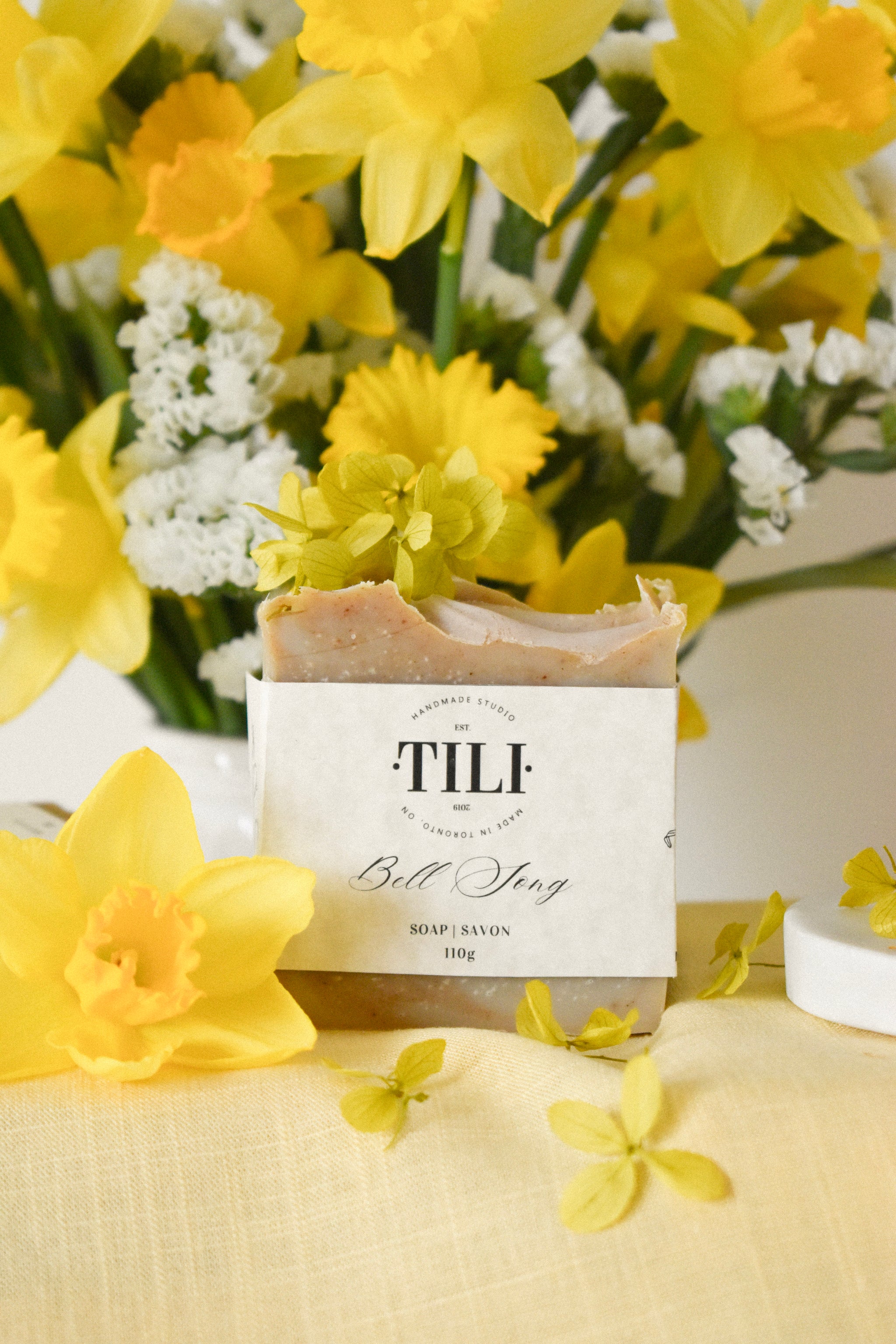
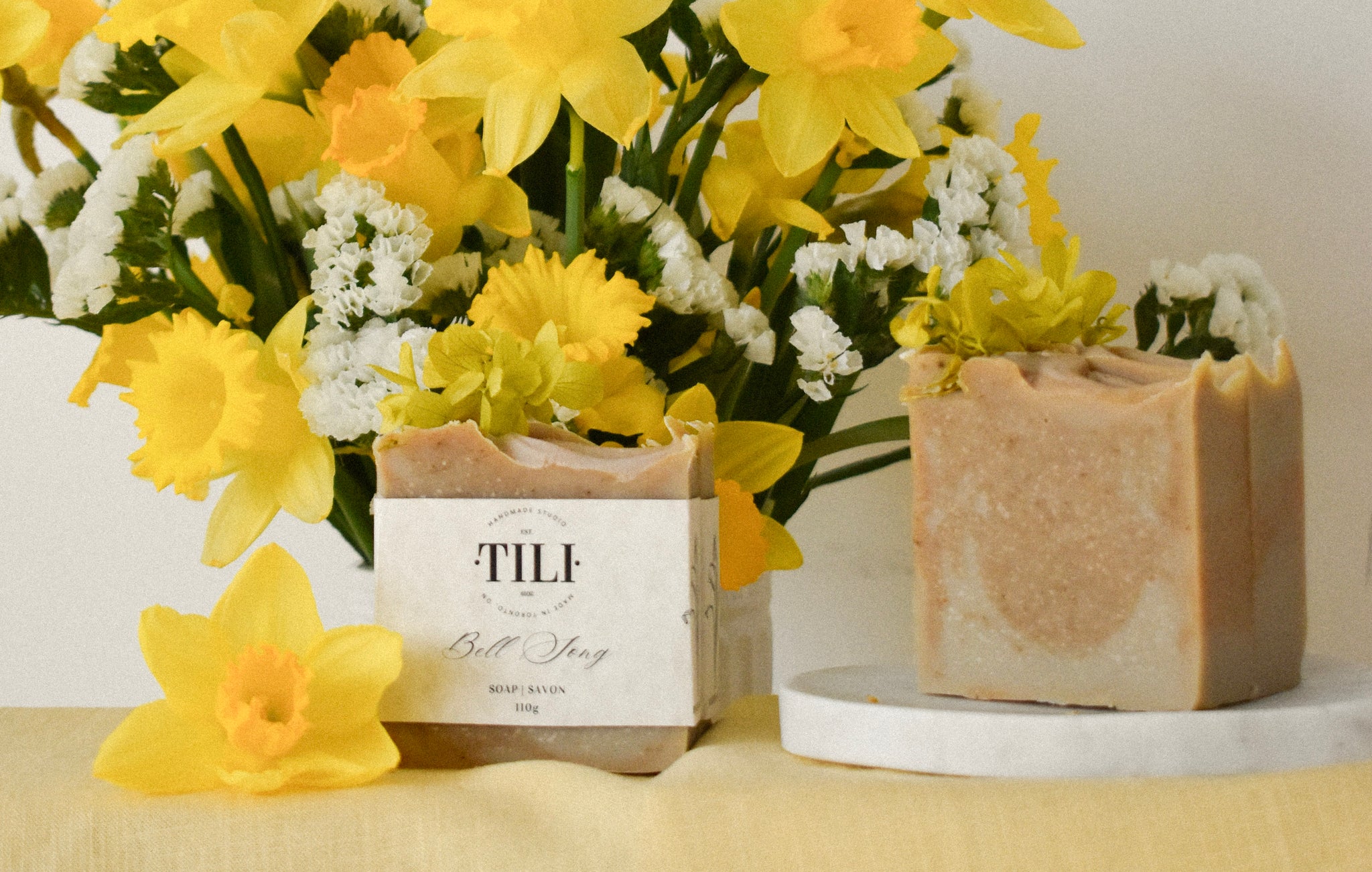
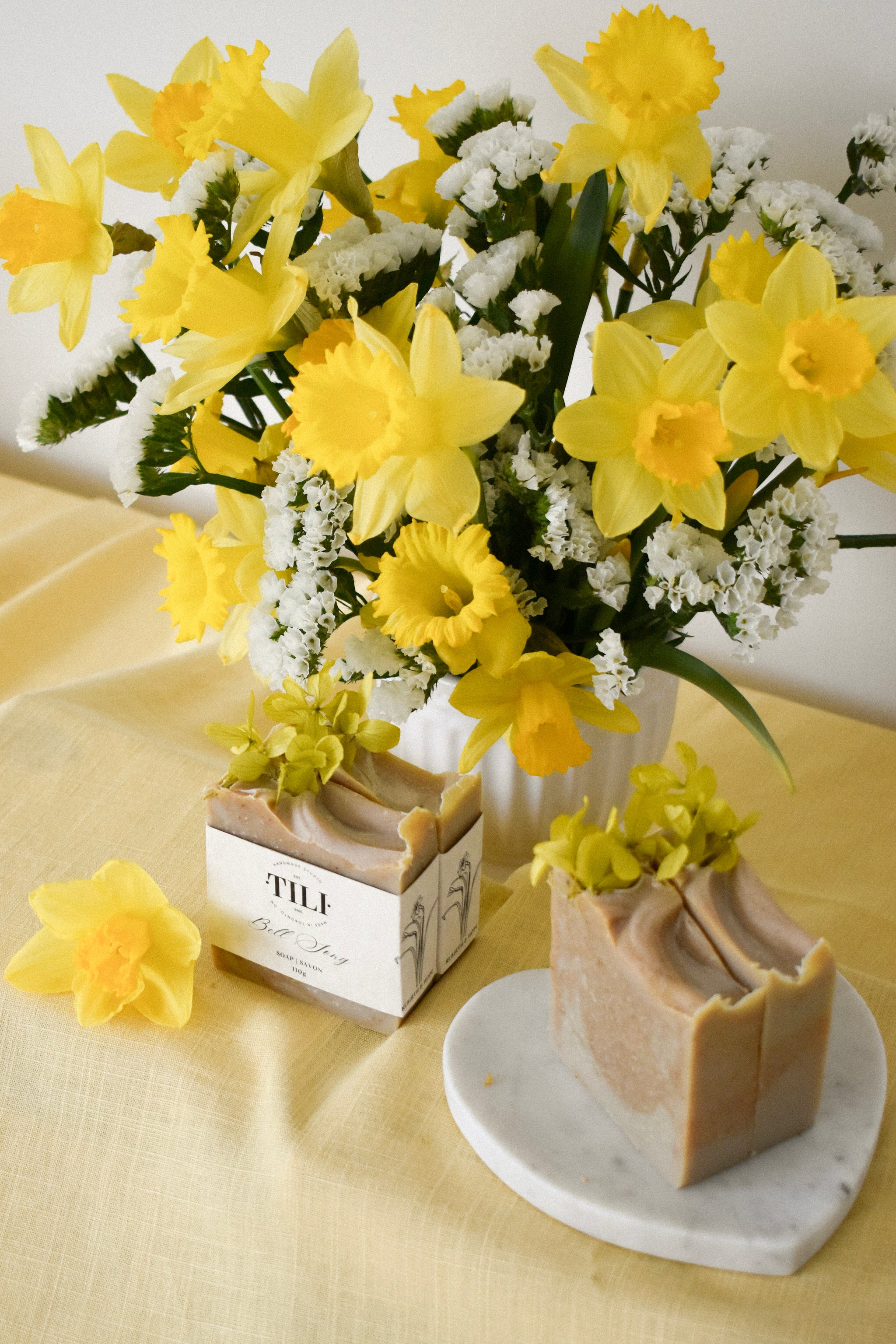
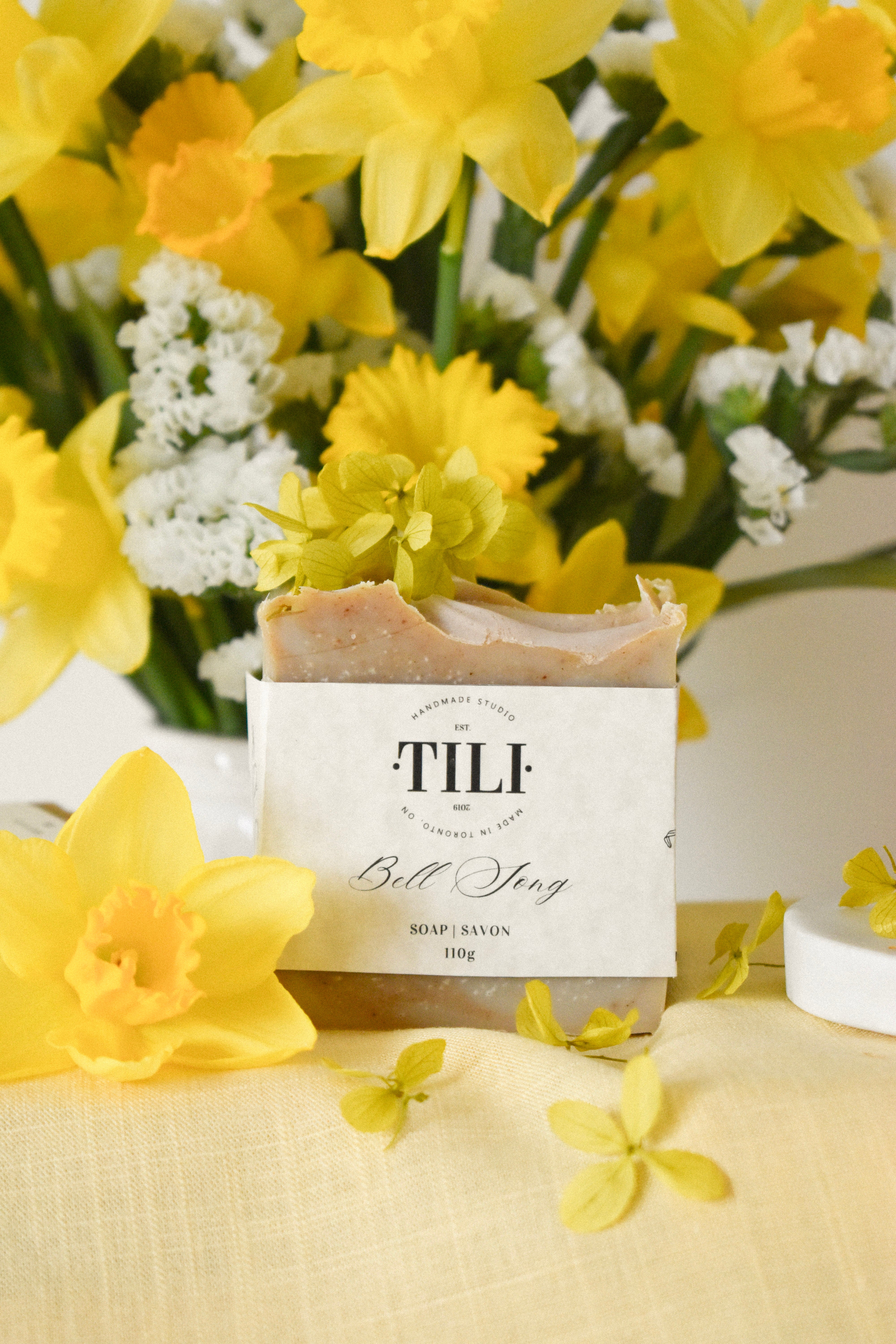
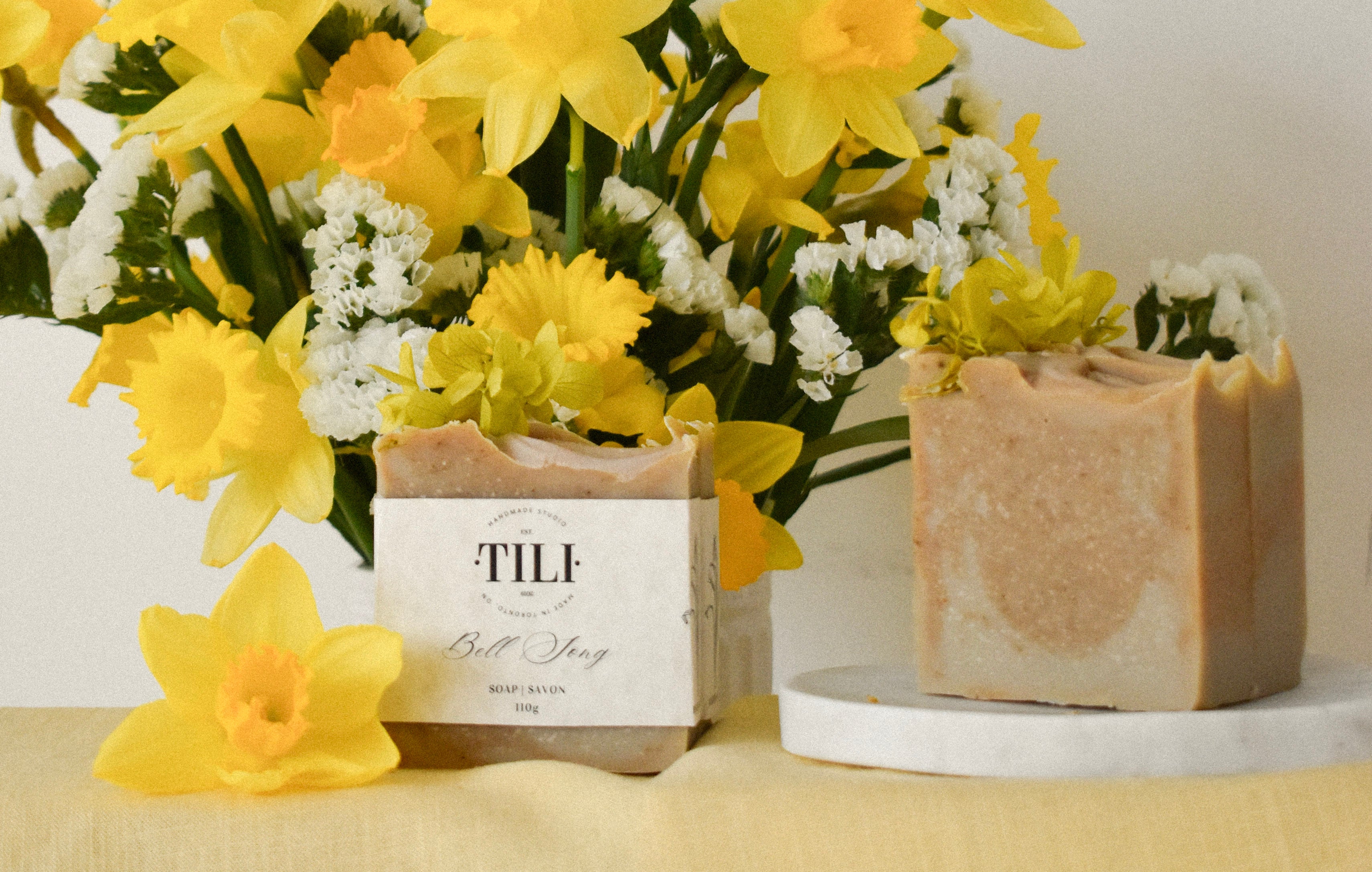
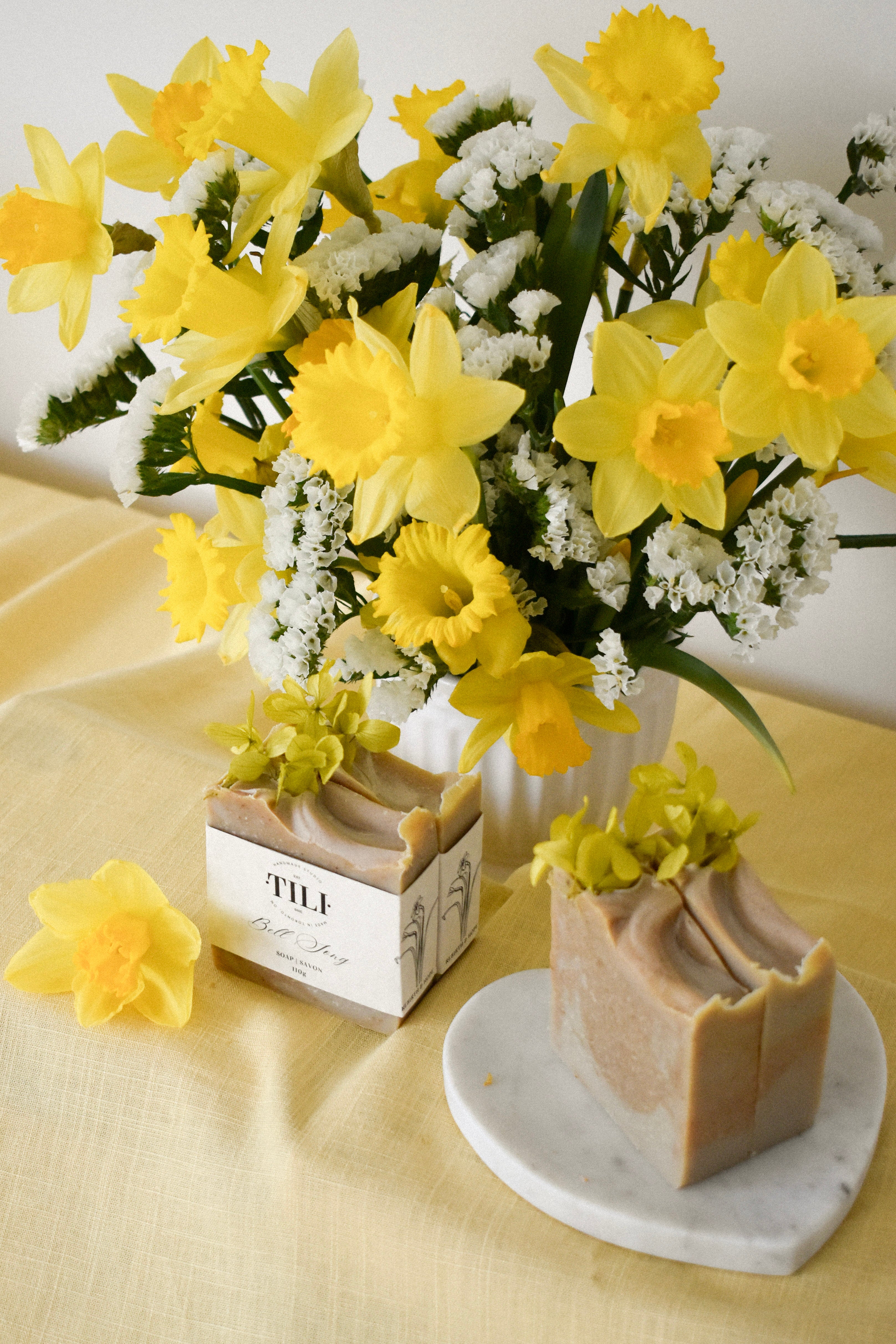
At TILI Handmade Studio, this quiet language is something we find ourselves returning to again and again. Not as something to recreate exactly, but as something to carry forward in a new way. There’s something special about the idea that the objects we use every day such as the soap at the edge of the sink, the small rituals we move through without much thought can hold a bit of meaning, too. A certain scent chosen with care. A colour that echoes a bloom. A bar inspired by a flower not just for how it looks, but for what it has come to represent.